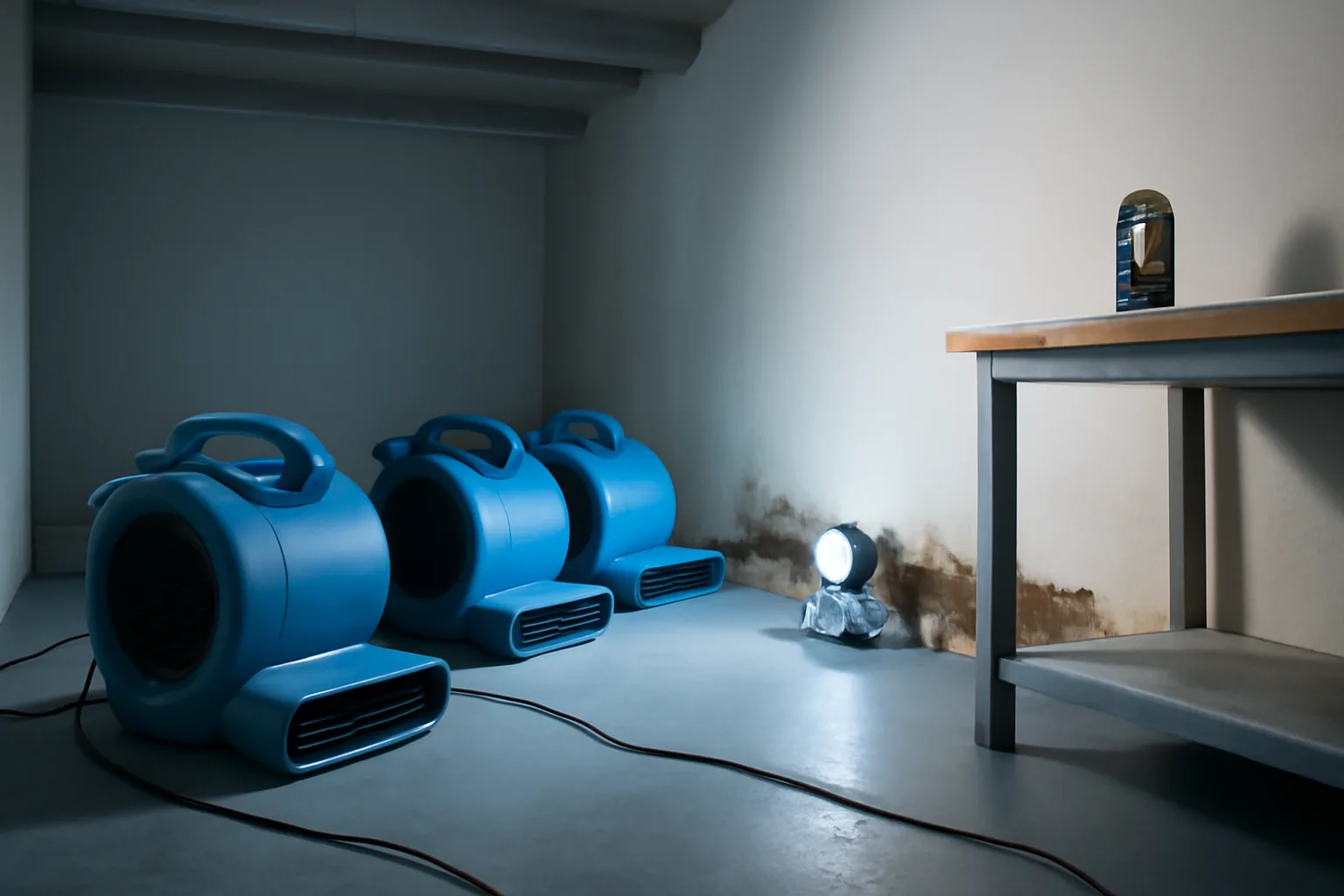
Coastal and inland storms alike leave Moonachie properties open to infiltration, and the loss multiplies the longer the opening stays unsealed. BlueHaven Water Restoration stops the infiltration first with emergency tarp or board-up, then extraction and drying equipment handles the water already inside. Older Moonachie roofs and aging drains make the combined above-and-below scenario more common here than people expect. We record what was sealed, what was extracted, and what reached a dry standard so coverage matches the loss. Call 551-237-7481 — every hour that breach stays open deepens the loss.
Sealing The Breach Before The Next Rain
A storm can push water into a property from above and below in the same event. A weatherproof tarp and a proper board-up buy the time needed to extract and dry what already got in.
We stabilize the structure, remove standing water, and map where the storm water wicked beyond the obvious zone. The file ties the breach to the interior damage and notes the storm conditions, so cause is never second-guessed.
The Choices That Protect You
The difference between a smooth storm claim and a denied one is usually the first decisions. Capture the damage, secure the opening, and contact your insurer — in that order — before any repair work starts.
Resist the pressure to commit on the spot — the legitimate crews do not need your signature in the driveway. We dispatch immediately, document the loss to carrier standard, and never ask you to sign over your claim to get help.
What Separates A Paid Storm Claim — In Plain Terms
After a storm, the coverage line usually runs between wind-driven water, which homeowners pays, and rising flood water, which it does not. The distinction between a wind breach and a flood decides which coverage applies, so it has to be established clearly.
We document the point of entry, the migration path, and the interior water so the claim reflects the whole event. A documented entry point gives the adjuster the cause on a plate, so the covered portion gets paid cleanly.
Wind-driven rain that enters through a storm-damaged roof or window is generally covered by a standard homeowners policy. We frame the loss honestly — wind-driven or flood — because the right framing is what gets the right policy to respond. The file separates the emergency stabilization from the mitigation, giving the adjuster a clear sequence of events. A tree through the roof and the rain that follows is typically covered; groundwater backing up into the basement often is not.
How Storm Damage Keeps Growing — Up Front
A storm-damaged roof or window left open lets the next rain band extend the damage the first one started. The cost of waiting to stabilize is paid later as the demolition and rebuild that the continued exposure required.
We board windows and doors, tarp the roof, and brace what is unstable, all before the interior dry-out starts. Sealing the envelope fast is the cheapest part of a storm response and the part that prevents the largest bills.
The immediate risk after a storm is everything the breach lets in next — more rain, more wind, more water. Stopping the intrusion early is what keeps a storm loss from compounding into something the structure cannot recover from. We get a weatherproof cover over the opening fast, so the loss stops growing while the extraction and drying begin. A breach that sits overnight in the rain is a far larger claim by morning than it was when the storm passed.
What A Good First Hour Looks Like — The Real Picture
Storm losses go sideways when the early steps get skipped, not usually because the damage was large. Capture the damage, stabilize the opening, and contact your insurer — in that order — before any rebuild work starts.
Letting the property sit open or signing whatever the first contractor hands you both work against the claim. We handle the emergency and the paperwork together, so you are not left coordinating a separate contractor later.
Storm losses go sideways when the early steps get skipped, not usually because the damage was large. You call, we stabilize, and we document; the claim stays yours and the paperwork stays clean. A contractor who shows up at your door uninvited after a storm is a reason to slow down, not to sign anything. Photograph first, secure second, and let the carrier inspect before anything gets thrown out or repaired.
What surrounds this service
Damage at a {city} home rarely respects neat boundaries — storm damage restoration often overlaps with water removal, smoke damage cleanup, air quality remediation, biohazard cleanup, post-loss reconstruction, and our team owns all of it under one roof. We carry the identical standard to and everywhere else across Bergen County.
If you searched for a restoration crew near you, When it comes to it, a nearby team responds, and we back every bit of it with readings. Call 551-237-7481 any hour, read What a Moonachie Sewage Backup Leaves Behind on our blog, or head back to our Moonachie home page to see everything we do.